
Who we are
Founded in 2000, Omar Asghar Khan Foundation’s skilled and experienced team of professionals works with local communities, civil society and governments. Using democratic innovations like social accountability and inclusive budgets, the Foundation has proven capacity to open channels of citizen engagement that make governance responsive, increase trust in public institutions and help people make a difference in their lives. The Foundation also combines learning, connecting, communicating and actions to promote social inclusion, climate resilience and poverty reduction. Primacy to the voices and interests of the poor is at the heart of the Foundation’s work.
The Foundation’s core competencies include:
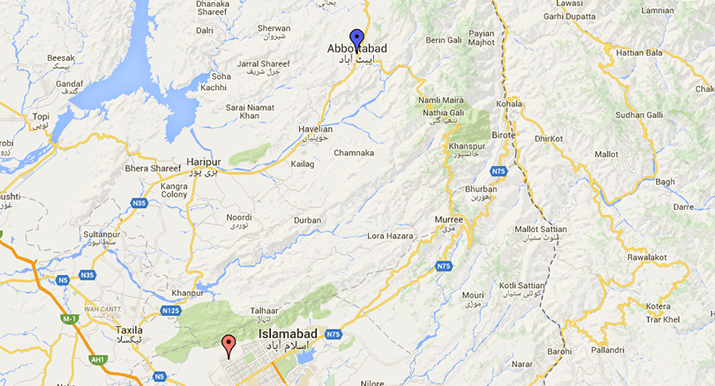
The Foundation has a national outreach, with its strongest presence in Khyber Pakhtunkhwa. It has offices in Abbottabad (Khyber Pakhtunkhwa) and the capital Islamabad.

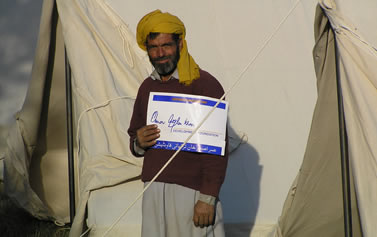
Vision
A democratic and peaceful society based on the values of equity, tolerance and justice in which all people are assured a life of quality.
Mission
To strengthen the resilience of citizens – particularly the most vulnerable – so that they can claim their rights from the state, counter violent extremism, and reduce the burden of poverty.
Latest news
📢 Request for Proposal (RFP) Consultancy for Design, Facilitation & Documentation of Capacity Building Workshops on Social Accountability
🌟 Join Our Team! 🌟 📢 Request for Proposal (RFP) Consultancy for Design, Facilitation &…
Join our Team: Aawaz II Finance & Administration Officer
Join our Team Aawaz II Finance & Administration Officer Position is based in Islamabad Formed in 2000 Omar Asghar Khan…
Journalism of the Future: Viability, Quality, Diversity & Safety
Journalism of the Future: Viability, Quality, Diversity & Safety 2-day Media Summit 14-15 November 2024, Islamabad “A media report helped…
Women Leaders - Training Members of the Punjab Assembly
Women Leaders Training Members of the Punjab Assembly 5 December 2024, Murree #omarasgharkhanfoundation supported Rivets Learning and IRI by designing…